Source Galvanized Steel Spray Booth Ramp for Woodworking, Metal, and Auto
Compare 30 galvanized steel spray booth ramp options from verified suppliers. These units support woodworking, metal fabrication, and automotive refinishing with customizable sizes and automatic control panels for efficient industrial coating; compare the available evidence and request quotations based on your requirements.
Key considerations
Products List


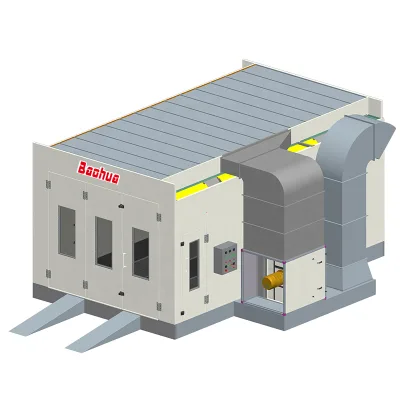
Industry Spray Booth /Paint Booth with Ce
$25000.00 - $65000.00
Moq: 1
Guangdong Jingzhongjing Industrial Painting Equipments Co., Ltd.




Comprehensive Sourcing Guide
Galvanized Steel Spray Booth Ramp Sourcing Guide
Procuring a galvanized steel spray booth ramp requires careful alignment with your facility’s specific coating workflow and safety protocols. The ramp serves as a critical interface for vehicle or component entry, demanding structural integrity to support heavy loads while maintaining a non-slip surface for operator safety. Buyers must prioritize materials that resist corrosion from paint overspray and cleaning chemicals, ensuring the ramp’s longevity in harsh industrial environments.
Selection criteria should extend beyond basic dimensions to include load-bearing capacity and ergonomic design. A well-engineered ramp minimizes physical strain on workers and reduces the risk of accidents during loading and unloading. It is essential to verify that the ramp integrates seamlessly with the booth’s airflow dynamics, preventing turbulence that could compromise paint quality or create hazardous dust accumulation zones within the workspace.
Product Scope and Observed Listing Signals
Market listings for spray booth ramps often appear as complementary components to complete booth systems rather than standalone items. Observed product attributes indicate that suppliers frequently offer customization options, allowing buyers to tailor ramp dimensions to specific vehicle sizes or production line layouts. The substrate is predominantly steel, with galvanized steel being a common choice for its durability and resistance to environmental degradation, aligning with the broader booth construction materials.
Listing signals also reveal a variety of finishing processes, including powder coating and painting, which enhance the ramp’s aesthetic appeal and protective qualities. Some suppliers provide automatic control panels for integrated ramps, suggesting advanced models may include hydraulic or electric lifting mechanisms. Buyers should note that packaging standards vary, with options ranging from standard sea shipment packages to plywood crates, which impacts logistics planning and cost estimation significantly.
Technical Specifications to Verify
Technical verification must begin with the ramp’s material composition and structural design. Confirm whether the ramp utilizes galvanized steel or galvanized steel with powder coating, as this directly influences its resistance to corrosion and wear. The surface texture should provide adequate traction, and the load capacity must be explicitly stated to ensure it meets the weight requirements of the heaviest vehicles or equipment to be processed.
Airflow and ventilation integration are equally critical technical aspects. The ramp design should not obstruct the booth’s cross-flow or fully undershot airflow patterns, which are essential for effective paint mist removal. Verify the compatibility of the ramp with the booth’s exhaust fan configuration and filter systems, ensuring that the installation does not create dead zones where overspray could accumulate. Additionally, check the voltage requirements if the ramp includes motorized components, ensuring alignment with your facility’s power supply standards.
Compliance and Safety Documentation
Safety compliance is non-negotiable when sourcing industrial equipment like spray booth ramps. Buyers must request documentation confirming that the ramp meets relevant occupational health and safety standards, particularly regarding slip resistance and structural stability. Certifications such as CE and RoHS, often associated with the booth systems themselves, may also apply to the ramp if it contains electrical or electronic components, ensuring adherence to European safety and environmental directives.
Documentation should also include detailed engineering drawings and load test reports. These documents provide evidence that the ramp has been rigorously tested under simulated operating conditions. Buyers should verify that the ramp’s design includes safety features such as edge guards, anti-slip treads, and emergency stop mechanisms if applicable. Clear safety manuals and installation guidelines are essential for ensuring that the ramp is used correctly, minimizing the risk of workplace accidents.
Cost Drivers and Commercial Terms
Cost drivers for galvanized steel spray booth ramps include material thickness, surface treatment complexity, and any integrated mechanical or electrical systems. Customization options, such as specific dimensions or unique load-bearing configurations, typically increase the unit price. Buyers should also consider the packaging method, as specialized packaging like plywood crates may add to the overall cost but is necessary for protecting the ramp during sea shipment.
Commercial terms should be clearly defined in the purchase agreement, including payment schedules, delivery timelines, and warranty coverage. Minimum order quantities (MOQ) are often set at one unit, allowing for flexible procurement for single-booth installations. However, buyers should negotiate for volume discounts if purchasing multiple ramps or related booth components. It is crucial to clarify who bears the responsibility for shipping and insurance costs, as these can significantly impact the total landed cost.
Supplier Qualification and Quality Control
Supplier qualification involves assessing their manufacturing capabilities and quality control processes. Buyers should verify that the supplier has experience in producing galvanized steel components and spray booth accessories. Requesting references from previous clients or visiting the manufacturing facility can provide insights into their production standards and consistency. Suppliers with established certifications, such as ISO, are generally more reliable in maintaining consistent quality across batches.
Quality control checks should include visual inspections for surface defects, dimensional accuracy measurements, and load testing. Buyers should specify acceptance criteria in the contract, including allowable tolerances for dimensions and surface finish. Implementing a pre-shipment inspection protocol can help identify potential issues before the ramp leaves the factory. Clear communication channels with the supplier are essential for addressing any quality concerns promptly and ensuring that the delivered product meets the specified requirements.
Long-Term Procurement Checks
Long-term procurement success depends on establishing a reliable supply chain for maintenance and replacement parts. Buyers should inquire about the availability of spare parts, such as motors, filters, or structural components, to minimize downtime in case of failure. Suppliers who offer comprehensive after-sales support and technical assistance are preferable, as they can help troubleshoot issues and provide guidance on optimal usage and maintenance practices.
Regular audits of the ramp’s condition and performance should be part of the maintenance schedule. Monitoring for signs of wear, corrosion, or structural fatigue can help prevent unexpected failures and extend the ramp’s service life. Buyers should also stay informed about industry advancements in ramp technology and materials, which may offer opportunities for upgrades or improvements in efficiency and safety. Building a strong relationship with the supplier can facilitate access to new products and services, ensuring that the procurement strategy remains aligned with evolving operational needs.
FAQs
What materials are used for the spray booth structure?
The spray booth structure is primarily made of galvanized steel or galvanized steel with powder coat. This ensures durability and resistance to corrosion during industrial coating processes. The wall panels are 50mm EPS panels, and the basement is a complete steel assembly for stability.
Can the spray booth be customized for specific sizes?
Yes, customization is available for the spray booth dimensions. The room size can be customized to fit specific operational needs. Standard sizes range from 1m to 4m, allowing flexibility for various woodworking, metal fabrication, and automotive refinishing applications without compromising structural integrity.
Which certifications does the spray booth hold?
The spray booth holds CE, RoHS, and ISO certifications. These certifications confirm compliance with international safety and environmental standards. Buyers can rely on these documented credentials when sourcing equipment for industrial coating, furniture finishing, or aerospace painting applications requiring strict regulatory adherence.
How is paint mist treated in the water curtain system?
Paint mist is treated using a wet-type water curtain system with filter paper. The system includes a stainless steel water curtain and a dedicated water pump. This setup effectively captures overspray, ensuring a clean working environment for operators during the painting and baking processes.
What voltage options are supported by the spray booth?
The spray booth supports multiple voltage options including 220V, 380V, and 440V. This flexibility allows installation in various regions with different electrical standards. The automatic control panel manages these power inputs to ensure safe and efficient operation of the centrifugal or turbo fans.
How is the product packed for sea shipment?
The product is packed in standard packages for sea shipment, often using plywood or polyfoam and carton materials. Specific standards may require 0.5cbm for two or three pieces, or 5cbm for LCL shipments. This packaging ensures the galvanized steel structure arrives safely at the destination.
What heating modes are available for the spray booth?
Available heating modes include infrared ray, electric, and oil heating. These options support various applications like car painting baking or general industrial coating. The choice depends on the specific process requirements, with the system designed to integrate seamlessly with the automatic control panel for precise temperature management.